 1 month ago
47
1 month ago
47
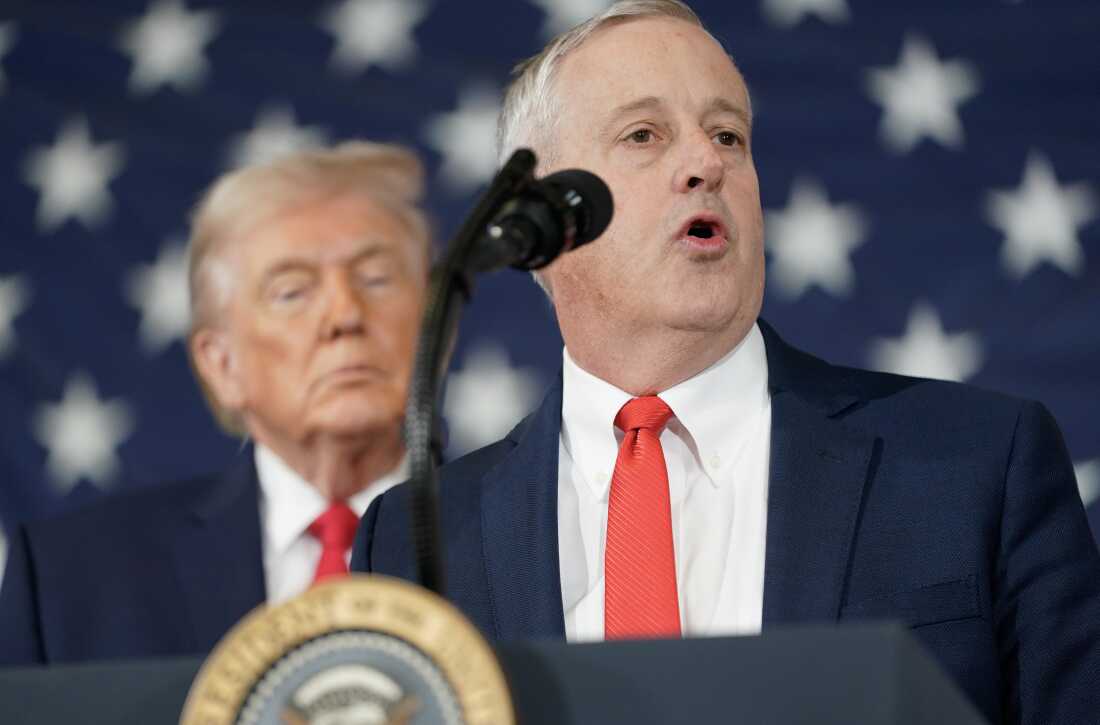
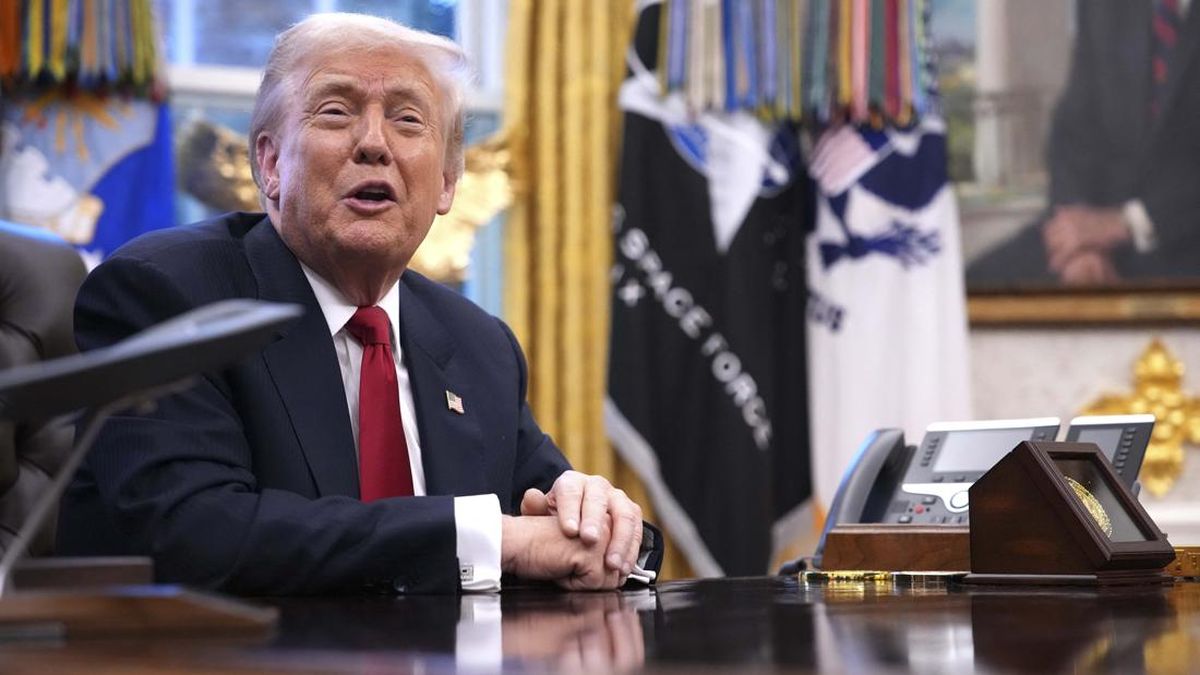
President Trump listens as Michael Whatley, former Republican National Committee chairman, speaks during a visit to the Fort Bragg U.S. Army base on Feb. 13 in Fort Bragg, N.C. Nathan Howard/Getty Images North America hide caption
toggle caption
Nathan Howard/Getty Images North America
The matchup in one of the most competitive U.S. Senate races in the 2026 midterms is set, as Democrat Roy Cooper and Republican Michael Whatley clinched their parties' primary nominations Tuesday.
That's according to AP race calls in the Democratic and GOP primaries.
Loading...
Cooper, the state's popular former governor, is hoping to flip the seat held by outgoing Republican Sen. Thom Tillis. He'll face former Republican National Committee chairman Michael Whatley, whom President Trump endorsed for that position.
A victory for Cooper and Democrats in the battleground of North Carolina is nearly essential for the party to potentially regain control of the Senate.
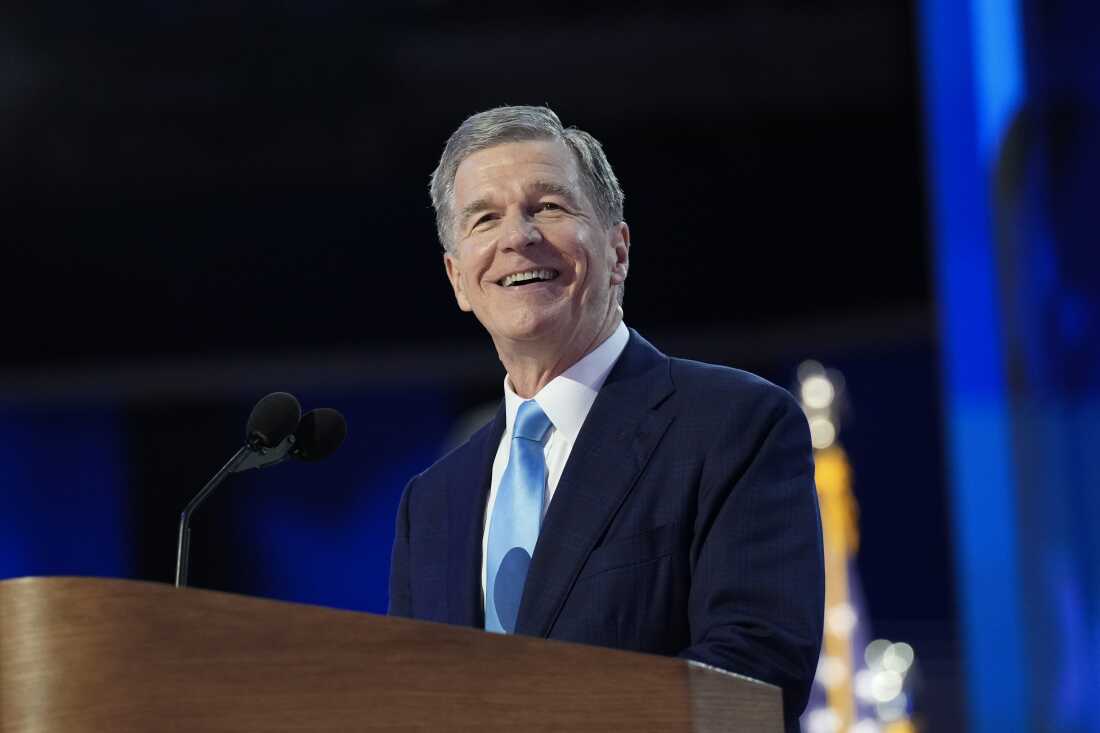
North Carolina Gov. Roy Cooper speaks onstage during the final day of the Democratic National Convention at the United Center on August 22, 2024 in Chicago, Illinois. Andrew Harnik/Getty Images North America hide caption
toggle caption
Andrew Harnik/Getty Images North America
As control of Congress hangs in the balance this November, North Carolina's Republican-controlled Legislature pushed to further gerrymander the state's congressional districts in an effort to retain the House majority.
Republicans hold 10 of North Carolina's 14 U.S. House districts, with only one of them nominally competitive in a typical year. Still, the state is one of a few national battlegrounds where voters have split their ticket recently, supporting Trump when he campaigned for reelection and electing Democrat Josh Stein as governor in 2024 to replace Cooper.
Historically, the party in power typically loses ground during midterm elections, and with Trump facing record-low approval ratings, there are several primary results that could have an impact on control of Congress after November's general election.
Here are some of the key races the NPR Network are monitoring tonight:
North Carolina's 4th District
As the Democratic Party searches for its national identity in the aftermath of the 2024 presidential election where Republicans made gains with key voting blocs, including young Americans, the primary contest in the Research Triangle is an early opportunity to gauge the base's sentiments.
Four years after a faceoff that was North Carolina's most expensive primary in state history, incumbent Rep. Valerie Foushee is once again looking to fend off Durham County commissioner Nida Allam. Both are progressive and would likely face a glide path to victory in the state's bluest district come November.
Loading...
Foushee is one of several incumbent House Democrats who are facing younger, well-funded primary challengers who argue that serving in Congress while Trump is president requires a new generation of leadership who would utilize different tactics than existing lawmakers in voicing their dissent.
WUNC's Colin Campbell reports most of the ads in the race come from outside groups, and that key areas where the candidates' policies diverge are on taking corporate PAC contributions, immigration and the war in Gaza.
North Carolina's 11th District
In North Carolina's 11th district in the western part of the state, Democrats faced an unusual situation, Blue Ridge Public Radio's Felicia Sonmez reported last week: For the first time in years, they had several candidates to choose from in the primary.
Of the five candidates, farmer Jamie Ager has outraised the entire field — including Republican incumbent Rep. Chuck Edwards.
Ager was also named one of the Democratic Congressional Campaign Committee's "Red to Blue" candidates running in a solidly Republican-leaning district that could flip in a wave year.
That distinction coming before the primary angered some voters and other Democratic primary candidates. Ager clinched the Democratic nomination, according to an AP race call.
Loading...
Beyond national issues like immigration enforcement and affordability, a local factor that has shaped the race is the federal recovery response after Hurricane Helene hit the area in Oct. 2024.
Edwards, the Trump-endorsed incumbent, faced a primary challenge from Adam Smith, a veteran and head of a Helene-focused nonprofit called Savage Freedom Relief Operations who told Blue Ridge Public Radio that he decided to run after what he called a "lack of action" from Edwards during the storm.
Edwards won the nomination, according to an AP race call.
North Carolina's 1st District
In the redistricting race happening nationwide, North Carolina Republicans redrew the 1st Congressional District to include more Republican-leaning voters in an effort to unseat Democratic Rep. Don Davis.
The changes make Davis' path to a third term more difficult, but not impossible given the favorable midterm electoral environment.
Five Republicans were vying for the party's nomination to take on Davis, including Laurie Buckhout, the 2024 Republican nominee who served in the Trump administration for part of 2025.
Loading...
WUNC's Adam Wagner reports that under North Carolina election law, the top vote-getter must receive at least 30% of ballots. If they don't, the second-place candidate can request a runoff election, a second primary that would be held on May 12.
Buckhout won the nomination, according to an AP race call.