 3 months ago
76
3 months ago
76

From top left, clockwise: Kaitlin Brito for NPR; Beck Harlan/NPR; Tsering Bista and Beck Harlan; Beck Harlan/NPR; Klaus Kremmerz for NPR
Did you know that foods like walnuts and yogurt support better sleep? That acetaminophen is usually the better choice for fevers? That the simplest way to lead a happier life is to just ask yourself whether something will actually make you happy?
These are just a few pieces of expert advice from Life Kit's most read stories of 2025. If you're the kind of person who loves collecting useful tidbits of information, read on for more tips on topics ranging from health to relationships.
Tuck them away in your noggin — or save them for a rainy day. You never know when you might need them!
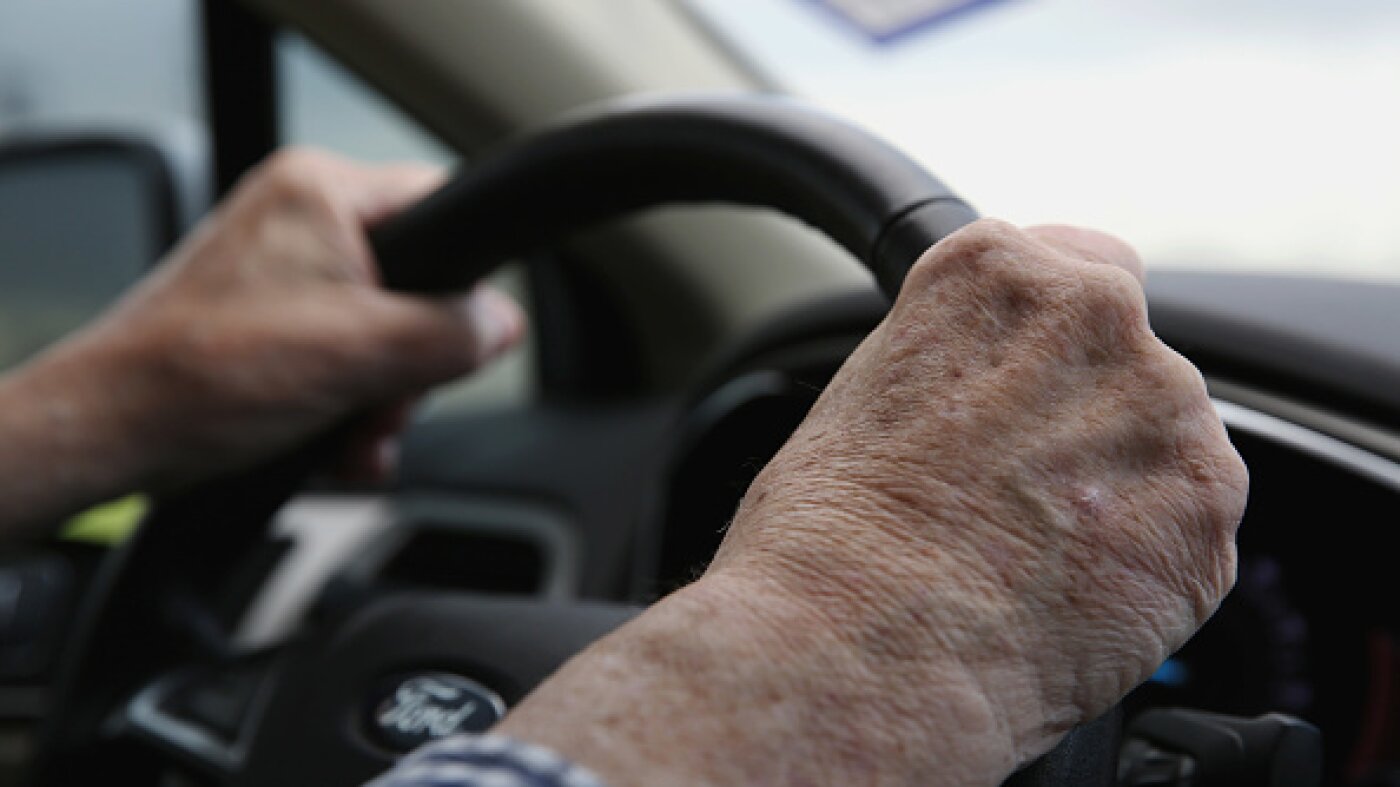
10. Road safety do's and don'ts that might just save your life

Motor vehicle crashes are a leading cause of death in the United States. A highway patrol officer explains how drivers should handle emergency scenarios, from extreme weather to aggressive tailgaters. Read the story.
Top tip: Don't speed. Speeding can make it harder to avoid potential hazards on the road, and it can make car crashes more severe, says Hector Carias, an officer with the California Highway Patrol. If someone is tailgating you, "move over one lane and let them pass. There's no reason for you to speed up."
9. 'Say no to power peeing' and other good tips from a pelvic floor physical therapist

Antonio Hugo Photo/Getty Images
Your pelvic floor supports organs like your bladder, bowels and reproductive system. Strengthen it with exercises and mantras (like "squeeze before you sneeze") from physical therapist Sara Reardon. Read the story.
Top tip: "Just say no to power peeing," Reardon says. "Sit, relax and let it flow. Relaxing your pelvic floor allows your bladder, which is a muscle, to push the urine out, and that's really how you're supposed to pee. Sit instead of hovering, breathe and chill, and then your bladder muscle contracts."
8. Eating habits that can help you sleep better at night

Photo illustration by Beck Harlan/NPR
What you eat during the day can affect how well you sleep at night. Sleep researchers explain the impact of diet, caffeine and alcohol on sleep health and share a list of sleep-supporting foods. Read the story.
Top tip: Seek out foods rich in tryptophan. It's an amino acid we get from food, and in the brain it's converted to serotonin and melatonin, chemicals in our bodies that play an important role in sleep, says Marie-Pierre St-Onge, a nutrition scientist and researcher at Columbia University and a co-author of the cookbook Eat Better, Sleep Better.
You can find tryptophan in almonds, barley, brown rice, chia seeds, lentils, oats, pumpkin seeds, salmon, tofu, turkey, walnuts, white beans and yogurt.
7. If compliments make you feel super awkward, this comic is for you

When someone says something nice about us, it can make us feel awkward and uncomfortable. Researchers explain the science behind those emotions and make the case for accepting genuine praise. Read the comic.
Top tip: Be kind when someone says something nice to you, especially if it's sincere, say social psychologist Erica Boothby and behavioral scientist Xuan Zhao. Try to see that the other person has good intentions and is not trying to be fake or critical of you. So, let yourself accept the good, and choose to believe the nice thing.
6. How does acetaminophen work? Over-the-Counter Painkillers 101

Photo illustration by Beck Harlan/NPR
Refresh your knowledge on safe and effective use of common painkillers with these tips from health professionals. Read the story.
Top tip: Acetaminophen is usually the better choice for fevers, says University of California, San Francisco clinical pharmacist Candy Tsourounis. Commonly known as Tylenol, acetaminophen is thought to reduce fever and relieve minor aches and pains by raising your body's pain threshold and regulating your body temperature. It's also gentler on the body than nonsteroidal anti-inflammatory drug (NSAIDs).
The Society for Maternal-Fetal Medicine, which recommends using acetaminophen to treat fever and pain in pregnant women, says that untreated fever can cause grave harms such as miscarriage, birth defects or premature birth, especially early in a pregnancy, reports NPR.
5. A neuroscientist explains how to break free from romantic infatuation

Academic and author Tom Bellamy, author of the book Smitten, explains how to recognize the signs of limerence, a romantic obsession characterized by extreme emotional highs and lows. Read the story.
Top tip: Turn your daydreams into your "daymares." Often, when you have a crush, it feels good to fantasize about exciting "happily ever after" scenarios. Bellamy says those daydreams can perpetuate feelings of limerence, so you want to turn them into "daymares."
"If you had a daydream about driving off into the sunset with them, change it," he says. "Maybe they suddenly shout, 'Stop the car! This is a terrible mistake!' And they run off and you're left feeling foolish and ridiculous."
4. Money-draining mistakes travelers make when planning a vacation

Photograph by Tsering Bista and Beck Harlan
People get a lot wrong when it comes to paying for vacations, say travel experts, and that can cost serious cash. Here's how to plan a trip that's safe, adventurous and under-budget. Read the story.
Top tip: If your dream destination is out of budget, look for an affordable look-alike. For example, if you're considering a trip to California's Napa Valley, maybe look into the Finger Lakes region in New York, says travel journalist Brittney Oliver.
"They're known for their riesling," she says — and the trip will cost you a fraction of the price.
3. Simple (and cheap) things to make your house use less energy

Illustration by LA Johnson/NPR
Sometimes reducing your home's energy use can be as simple as opening a window or buying tape. There are easy ways to have a more climate-friendly home and save on energy bills at the same time. Read the story.
Top tip: In places that get very hot, you might want to think about installing shades on the outside of your house, not the inside, says Daniel Barber, a historian of architecture and environment.
Here's why. If you have a blind or curtain inside your house, behind your windowpane, then the sunlight coming in brings the heat inside.
2. Want to cut through small talk? Try asking a 'magical question'

These creative questions are fun to answer and can help reveal people's personalities. Conflict resolution facilitator Priya Parker shares her favorites and explains how to come up with your own. Read the story.
Top tip: "A magical question is a question that everyone in your group is interested in answering" and hearing the answers to, says Parker, who hosts a video series on the topic on her Instagram page.
She shares some ideas: What's the weirdest thing you've ever found in your pocket? What topic could you give a 20-minute talk about with no preparation? What's a path you almost took but didn't?
1. If you want more happiness in your life, ask yourself this simple question

Gretchen Rubin, host of the Happier podcast, explains the secret to happiness — and why knowing your personality type can help you make better decisions about what can bring you more joy. Read the story.
Top tip: Instead of asking yourself what happiness means to you, Rubin says to ask yourself: "Will this make me happier?"
People usually have a lot more clarity on the answer. Making choices that can make you happier in the long or short run can move you "in the right direction" toward a life filled with more joy and contentment, she says.
The digital story was edited by Meghan Keane, with art direction by Beck Harlan. We'd love to hear from you. Leave us a voicemail at 202-216-9823, or email us at [email protected].
Listen to Life Kit on Apple Podcasts and Spotify, and sign up for our newsletter. Follow us on Instagram: @nprlifekit.