 1 month ago
45
1 month ago
45

U.S. President Donald Trump addresses a joint session of Congress at the U.S. Capitol on March 04, 2025 in Washington, DC. Kayla Bartkowski/Getty Images hide caption
toggle caption
Kayla Bartkowski/Getty Images
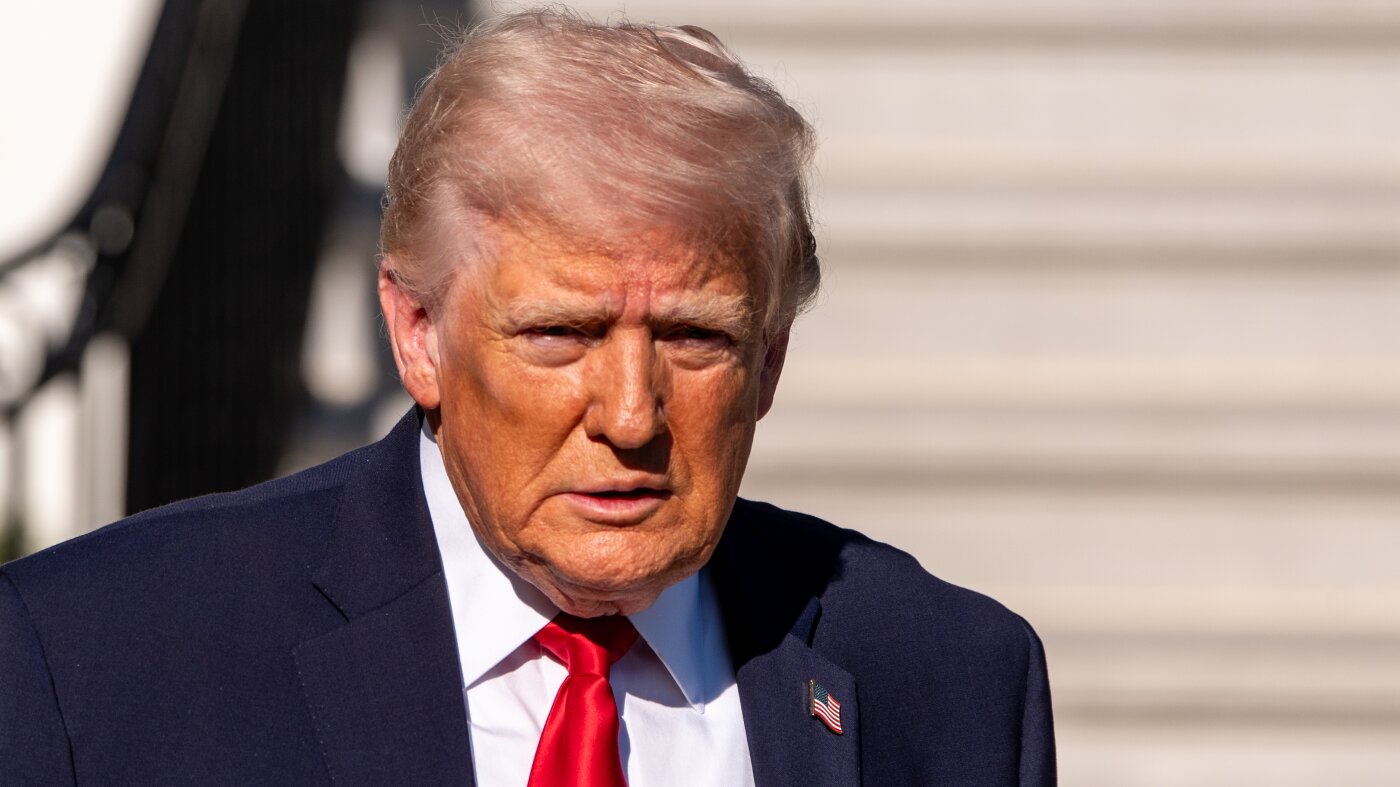
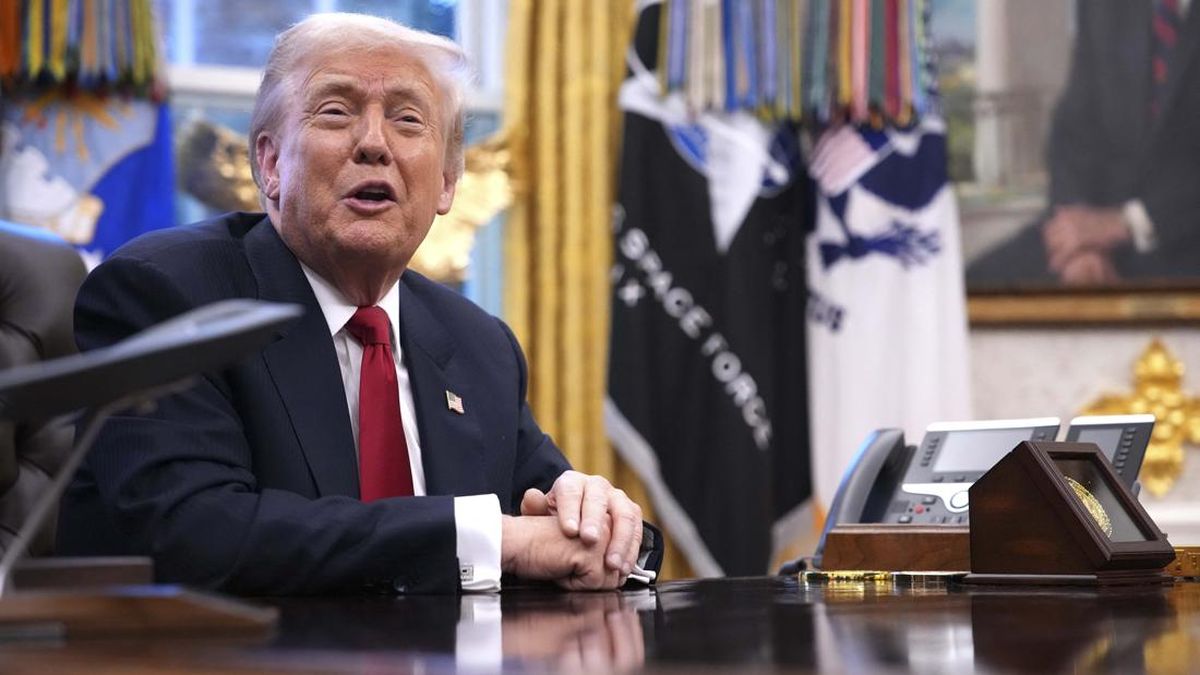
President Trump will address a joint session of Congress tonight for his first State of the Union address since returning to the White House just over one year ago.
It's an opportunity for the president to tout his agenda and shape his party's messaging ahead of this year's midterm elections.
But the primetime address comes at a moment when the president has seen his agenda complicated on multiple fronts. That includes trade, where his tariff policies were dealt a rebuke last week by the Supreme Court, and immigration, where Trump and congressional Democrats are deadlocked over funding the Department of Homeland Security.
Plus, Americans are divided on whether Trump's first year has been a success. Six in 10 believe the country is worse off than last year, according to the latest NPR/PBS News/Marist poll, and a majority think the state of the union is not strong.
Here's what you need to know ahead of tonight's speech.
What time is the address?
The president is expected to begin at 9 p.m. ET., and if history is any indication, prepare for a long night. Last year, in what was technically not a State of the Union speech, Trump addressed Congress for over 90 minutes, breaking records as the longest joint address in at least 60 years.
NPR will be covering all of it, with live special coverage and analysis. You can listen on NPR.org, on many public radio stations, in the NPR app or by telling your Alexa device to "Ask NPR to play Special Coverage" starting at 9 p.m.
Why does this happen every year?
This is part of the gig for every president. The Constitution requires that the president "shall from time to time give to the Congress Information of the State of the Union." It's intended to be a recap of sorts of their previous year in office.
So it's a formality, yes, but there are political stakes. Trump's speech comes at the start of a crucial election year, and his party is on the defensive. GOP lawmakers are fighting to maintain control of the Senate, where they currently hold a 53 to 47 majority, and the House, where their margin is even smaller, 218 to 214. Trump is battling low approval numbers, which are often seen as a warning sign, given that since World War 2 the party controlling the White House historically loses an average of 27 House seats in the midterms and four in the Senate.
What will Trump talk about?
Expect a big focus on immigration, which has been a key pillar of Trump's second term. The administration has defended its enforcement agenda, arguing it's aimed at removing people living in the country illegally who have committed dangerous crimes. However, lawmakers have raised concerns about the tactics used by federal immigration agents in cities around the country, especially after two U.S. citizens were killed in Minneapolis last month.
It will also be worth watching how Trump talks about tariffs. He's long defended imposing import taxes on foreign goods as a way to strengthen American manufacturing, but in a major ruling last Friday, the Supreme Court struck down the main lever the president has used to carry out this policy.
The tariff ruling is part of a broader economic messaging challenge facing the White House. A majority of Americans already say they think tariffs are more likely to hurt than help the economy. Trump has also dismissed affordability concerns as a Democratic "hoax," even though voters report struggling to keep up with the cost-of-living.
Tonight's address is also happening at a crucial moment in U.S. foreign policy. Trump is pressuring Iran to disband its nuclear program, and has not ruled out using force to make that happen. In recent days, the American military has expanded its presence in the Middle East, sending additional fighter jets and a second aircraft carrier to the region.
It's the latest move by Trump in what has been a more muscular approach to foreign policy compared to his first term. The president has approved strikes on countries around the world, announced the U.S. will "run" Venezuela after arresting the country's leader and has threatened to buy Greenland. At the same time, Trump has repeatedly labeled himself a peacemaker, despite facing steep challenges in achieving his goals of rebuilding Gaza and brokering an end to Russia's war in Ukraine.
What will the response from Democrats look like?
Newly sworn-in Virginia Gov. Abigail Spanberger is slated to provide the party's official rebuttal. Spanberger was one of several Democrats who won their races last November, delivering some of the most high-profile victories since the party's bruising losses across the country in 2024.
She may also provide a potential preview of how Democrats may approach their own midterm messaging. On the campaign trail, Spanberger centered her message on affordability concerns and criticized the administration's treatment of federal workers through mass layoffs and the longest government shutdown in history.
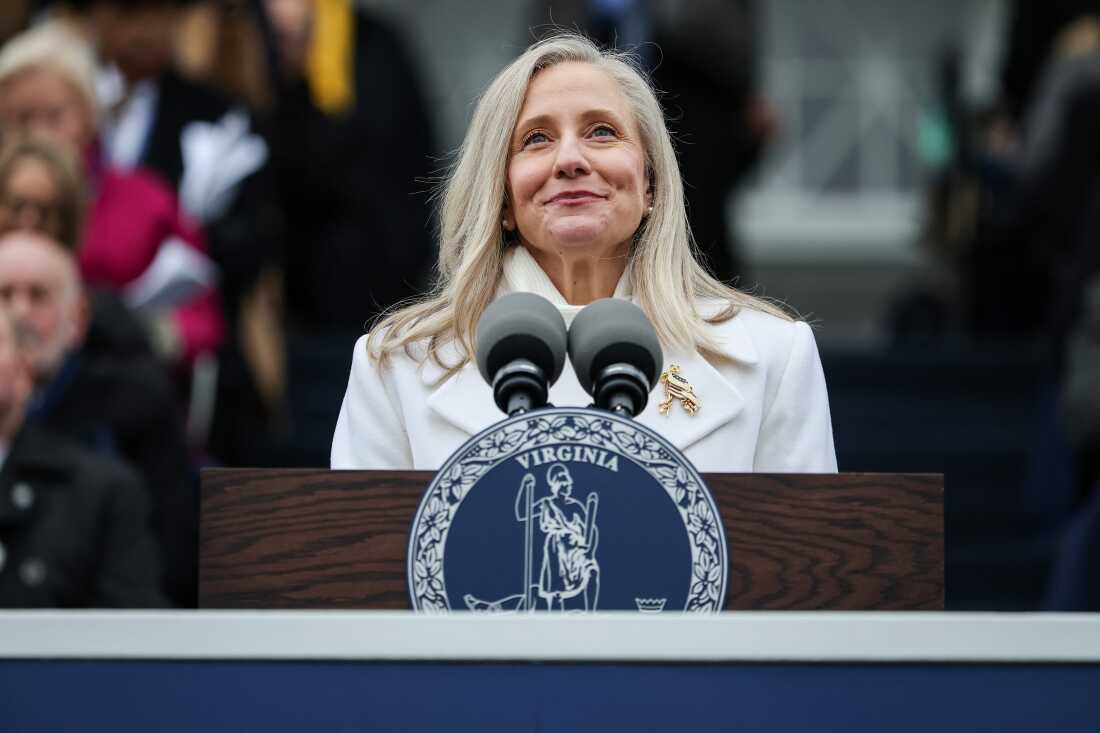
Virginia Governor Abigail Spanberger speaks after being sworn into office at the Virginia State Capitol in January. Spanberger will deliver the official Democratic response to President Trump's State of the Union address. Win McNamee/Getty Images hide caption
toggle caption
Win McNamee/Getty Images
California Senator Alex Padilla is tapped to deliver the Spanish-language response for Democrats. It's another notable pick for Democrats as they refine their election message, particularly on immigration. Padilla has been an outspoken critic of Trump's immigration agenda and was forcibly removed from a Homeland Security press conference over the summer.
There's also a group of roughly a dozen House and Senate Democrats who plan to boycott Trump's speech and instead hold a counter-rally dubbed the "People's State of the Union." It comes as House Minority Leader Hakeem Jeffries, D-N.Y., has urged lawmakers to either "attend with silent defiance" or skip the event.
Follow for more coverage:
📧 NPR Politics newsletter: Breaking down the big stories and why they matter
🎧 NPR Politics Podcast: Our experts provide insights into what's happening